Gardening Services in Leyton

Gardening Services Leyton provides practical outdoor care for homes and shared properties in Leyton, with work that can be planned around regular upkeep or one-off improvements. The main service covers everyday maintenance, tidying and selected garden jobs that help keep borders, lawns, hedges and hard surfaces in better order. If you need a reliable way to restore control after growth has run on, or a steady schedule to keep things neat, our approach is built around clear tasks and straightforward decisions.
The service is centred on garden care rather than broad claims. That means the work can include mowing, hedge trimming, clearance and general maintenance depending on what the garden needs. Some customers want a simple refresh before a season change; others need attention to an overgrown space or a recurring upkeep plan. You can use the service for a single area or a combination of jobs, and you can request a quotation once you are ready to outline the work.
We aim to make the first step uncomplicated. If you already know the main tasks, a brief description is usually enough to start the discussion. If the garden is larger or has several different sections, it helps to separate lawns, hedges, beds and any awkward access points so the quotation can reflect the real scope. Clear information at the outset helps keep the process efficient, but the aim is still to keep the conversation human and practical. For a quick start, send the basics and ask for a quotation.
Regular Garden Maintenance
Regular garden maintenance suits outdoor spaces that need more than an occasional tidy. It is designed to keep growth under control, maintain a presentable finish and reduce the build-up of smaller jobs that become harder to manage over time. Typical maintenance work can include mowing, edging, light pruning, weeding and seasonal clean-up, with the emphasis placed on what keeps the whole garden looking cared for rather than on one isolated task.
Because every garden develops differently, maintenance can be adapted to the layout and condition of the space. A compact front garden may need mainly mowing and edging, while a larger rear garden may benefit from a wider round of clearing and trimming. We can shape the work to suit planted areas, paths, boundaries and lawns, and we keep the focus on jobs that deliver a visible improvement without overcomplicating the visit.
Lawn care and finishing touches
Lawn care is often the foundation of a tidy garden, so it usually comes first when planning maintenance. A well-cut lawn changes the feel of the whole space, especially when edges are crisp and surrounding growth has been neatened. Finishing touches such as clearing clippings, removing loose debris and tidying the edge of beds help the result look deliberate rather than rushed. If you want a more consistent standard across the garden, ask for a quotation that covers the areas needing the most attention.
Hedge Trimming and Boundary Care

Hedge trimming is useful when boundaries need regular shaping, visibility needs improving or bushes have begun to spread beyond their intended form. This work can range from a light reduction to a more careful tidy of uneven growth, depending on the type of hedge and the finish you want. Good trimming keeps the structure of the planting intact while removing the stray growth that makes the garden feel untidy.
Boundary care matters because hedges and shrubs often affect several parts of a garden at once. They can shade lawns, block paths, press into drives or reduce the sense of openness in a small outdoor space. Trimming is therefore not only about appearance; it also helps maintain usable space around the edges. When the work is planned well, the result should look balanced from both inside the garden and from the street side where relevant.
Some hedges respond best to light, regular attention, while others need a careful reset after a period of growth. The method depends on the plant, the size of the work and the outcome you are trying to achieve. If you are not sure how much reduction is sensible, describe the hedge height, length and condition, and ask for a quotation based on those details. That gives a clearer basis for the work and avoids guesswork.
Garden Clearance for Overgrown Spaces

Garden clearance is the right starting point when a space has become cluttered with cuttings, weeds, broken planting, old growth or general outdoor waste. It is aimed at restoring order so the garden can be used, maintained or improved more easily afterwards. Clearance work can be especially useful before further gardening, landscaping or regular maintenance begins, because it removes the material that gets in the way of a tidy finish.
Clearance can involve different types of waste depending on the site. That may include dead vegetation, loose debris, accumulated trimmings or items that have been left outdoors and are no longer needed. The important point is that the work is handled as a structured task rather than a quick sweep. A sensible clearance plan looks at access, the amount of material, the condition of the ground and whether any plant material should be kept separate from general waste.
When a garden has several problem areas, it helps to identify them in order of priority. For example, you may want the main lawn cleared first, then the borders and finally any tucked-away corners or storage areas. If the garden is especially congested, photos can help explain the scope, but a written description is just as useful when it is detailed. Use either method to request a quotation and set the work out clearly.
Lawns, Paths and the Everyday Finish
Lawn mowing remains one of the most common parts of garden care because it immediately affects the appearance of the whole space. A lawn that is cut at a sensible height looks cleaner, easier to manage and better connected to the rest of the planting. Mowing can also be combined with edging and light clearing, so the lawn does not stand out as neat while the surrounding areas remain untidy.
Paths and hard edges deserve attention as well, especially in gardens where soil, leaves or cut growth collect along the margins. Small details such as brushing down paved areas or removing loose clippings help the overall finish feel complete. That is often the difference between a garden that simply had a quick cut and one that feels properly maintained. If your priorities include pathways, steps or the edges beside fences and walls, say so when you ask for a quotation.
Many customers prefer to combine lawn work with a wider maintenance visit because the two tasks reinforce each other. The lawn sets the tone, while edging and clearing sharpen the rest of the garden. If a lawn has become uneven or overgrown, it may need a more careful approach than a routine cut, especially after longer periods without attention. Tell us what matters most and we can shape the work around the result you want.
Landscape Gardening and Garden Improvement
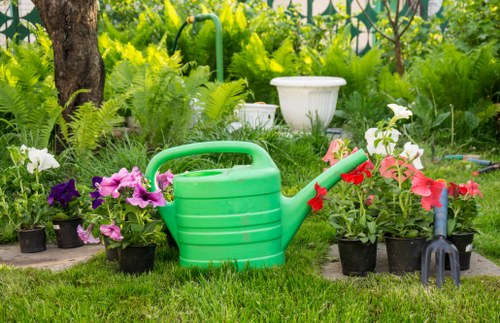
Landscape gardening is suited to gardens that need more than maintenance and are ready for a more considered change in layout, planting or use of space. It can include reshaping areas, improving the flow between different parts of the garden and creating a cleaner structure for future care. The aim is to make the space work better in practical terms while also improving the look and feel of the outdoor area.
Improvement work can be planned in stages, which is often helpful if a garden needs several changes but not all at once. One section may need redefinition, another may need fresh planting space and another may simply need a neater edge or clearer path through it. The benefit of a staged approach is that it allows decisions to be made with the existing garden in view, so the end result stays coherent rather than piecemeal.
Choosing the right scope for your garden
Some customers want a light update; others want a more noticeable reshaping of the space. The right scope depends on the condition of the garden, the features already in place and how you intend to use the area. If you are comparing options, think about whether the priority is tidiness, structure, planting balance or easier upkeep. That makes it easier to request a quotation that reflects the actual work instead of a generic estimate. Pricing and quotes can then be discussed around the proposed scope rather than around assumptions.
About Leyton
Leyton is a district in East London within the London Borough of Waltham Forest, shaped by a long history that reaches back to its origins as a parish settlement and forward to its place in a densely connected urban area. It lies between Stratford to the west and Walthamstow to the north, with the River Lea and the Lee Navigation forming an important part of the wider local landscape to the south and east. The area is closely associated with transport routes that expanded over time, especially the growth of the railway and underground network, which helped turn former fields and market gardens into a more built-up suburb. Even so, traces of older land use still appear in local street patterns and open spaces. Leyton has a mix of housing from different periods, including Victorian and Edwardian terraces, later estate housing and newer infill, giving many streets a layered architectural character rather than a single uniform look. One of the best-known green spaces nearby is Coronation Gardens, a public park laid out on former market-garden land and now valued for its mature trees and open lawns. Another important local feature is Leyton Jubilee Park, which provides sports pitches, play space and a broader sense of relief within the urban fabric. The borough as a whole has seen considerable change over the years, especially through regeneration associated with east London’s evolution, but Leyton still retains an everyday residential feel, supported by local shops, schools, community facilities and links to surrounding parts of the Lea Valley. Its identity is shaped as much by small streets and neighbourhood life as by the larger landmarks that anchor the district within east London.
Tree Work and Larger Garden Features
Tree lopping and removal becomes relevant when branches are blocking light, trees are outgrowing their space or a specimen needs to be taken down for safety or practical reasons. Tree work should always be matched to the size and condition of the tree, as well as to the access available around it. Some jobs are mainly about reducing overextended growth; others involve removing a tree that no longer fits the site or has become a burden on the rest of the garden.
Because trees affect shade, soil and the shape of nearby planting, they often influence the wider garden even when the work is limited to one trunk or one canopy. That is why tree work is best considered alongside the rest of the outdoor space, especially where a hedge, lawn or paved area sits close by. A tidy end result should leave the site safer and easier to maintain without creating unnecessary disturbance elsewhere in the garden.
If the work involves a mature tree, close boundaries or awkward access, describe the position as clearly as you can before asking for a quotation. It helps to know whether the issue is branch reduction, full removal or simply a tree that needs attention as part of a broader tidy-up. Where there are other services needed at the same time, such as clearance or maintenance, they can usually be discussed together in one enquiry.
Decking and Outdoor Surface Care

Decking services are useful for gardens that include a timber deck as part of the usable outdoor space. Decking needs more than occasional attention because it sits between planting, weather exposure and everyday use. Work can include preparing a new area, improving an existing surface or keeping the structure neat enough to remain a practical feature of the garden rather than a worn patch of timber.
When decking is part of the layout, it changes how the rest of the garden is approached. The surrounding planting, paths and lawn should feel connected to it, not left to drift around it. A good outdoor surface is one that complements the rest of the garden, supports regular use and does not draw attention for the wrong reasons. If your garden has decking alongside beds, grass or seating space, mention how those parts relate to each other when you ask for a quotation.
We also consider whether the surface needs a tidy finish around its edges, better access into the garden or a more balanced relationship with nearby features. Those smaller details matter because they influence how finished the whole space feels. If you are ready to move ahead, the next step is simple: send the main details and ask for a quotation.
Planning, Access and Quotations
Services overview is a useful place to compare the main types of garden work available before deciding what to include in your enquiry. It can help you separate routine maintenance from clearance, hedge work, lawn care or larger improvement jobs, so the quotation starts from a sensible understanding of the work. When the scope is clear, it is easier to plan the order of tasks and decide what should be tackled together.
A quotation is usually clearer when the garden is described in practical terms. Useful details include the approximate size of the space, the condition of the main areas, any access limitations and the tasks you most want completed. If there are items to keep, areas to avoid or delicate planting nearby, mention those too. This does not need to become a long list; just enough detail usually allows the work to be priced and planned more accurately.
For convenience, you can group several small tasks into one enquiry rather than sending them separately. That helps if you want mowing, hedge trimming and clearance looked at together, or if you are weighing up whether garden maintenance should be routine or occasional. If you are ready to take the next step, contact us and request a quotation.