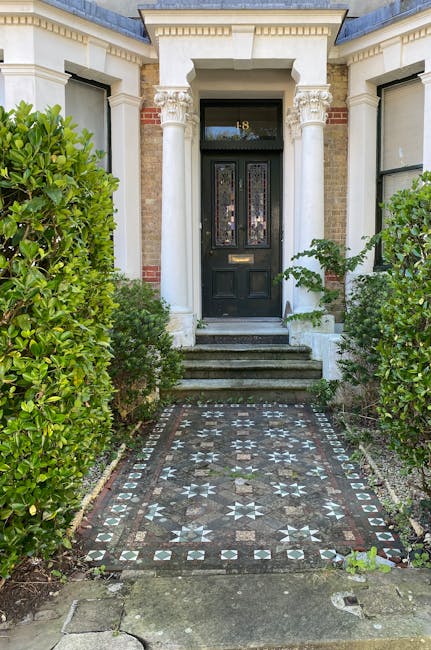
Brisbane Road E10 gardeners for front garden makeovers: a practical guide to transforming your front entrance
If your front garden is looking a bit tired, cluttered, or simply not pulling its weight, you are not alone. Around Brisbane Road in E10, front gardens often have to do a lot in a small space: frame the house, handle foot traffic, stay tidy through the seasons, and still look welcoming from the pavement. That is exactly where Brisbane Road E10 gardeners for front garden makeovers can make a real difference.
A well-planned front garden makeover is not just about making things pretty. It is about improving kerb appeal, choosing the right planting for the site, solving practical issues like drainage or shade, and creating an entrance that feels calm rather than chaotic. In this guide, we will walk through what the process involves, what to ask for, where people often go wrong, and how to get a result that feels right for the house and the street.
Whether you are preparing a property for sale, want to enjoy arriving home a bit more, or just need the front to stop looking like a mid-week afterthought, this article gives you the useful stuff. No fluff. Just a clear, local-minded approach that helps you make better decisions.
Why Brisbane Road E10 gardeners for front garden makeovers Matters
The front garden is the bit people see first. That sounds obvious, but it changes how you plan it. A rear garden can be personal and relaxed; a front garden needs to work harder. It should feel neat from the street, cope with constant visibility, and still be easy to maintain without becoming a weekly chore.
In an area like E10, where houses can sit close to the pavement and the front boundary often does a lot of visual heavy lifting, the right makeover can change the whole feel of a property. A few well-placed plants, a smarter layout, and a tidy finish can make the house look cared for even before anyone opens the gate. That quiet first impression matters more than many people expect.
There is also a practical side. Front gardens often suffer from compacted soil, patchy shade, bins that need hiding, awkward paving, or planting that was clearly chosen in a hurry years ago. Good gardeners do not just add flowers and hope for the best. They look at drainage, access, scale, maintenance, and how the space will age. That is the difference between a quick tidy-up and a makeover that still looks good six months later.
To be fair, front garden work can be deceptively tricky. It is small enough to seem simple, but there are plenty of decisions packed into a modest area. The best results usually come from a clear plan, a realistic budget, and a gardener who understands both design and local conditions.
How Brisbane Road E10 gardeners for front garden makeovers Works
A proper front garden makeover usually starts with a site visit and a conversation. You explain what is not working: maybe the space feels bare, maybe the hedge is too dominant, maybe the borders are full of straggly plants that never quite settled in. The gardener then assesses the site and works out what the garden can realistically become.
That assessment often covers a few practical basics:
- sunlight and shade through the day
- soil condition and drainage
- existing paving, edging, fences, or walls
- how much maintenance you want to take on
- the style of the property and street
- whether the space needs to stay open, secure, or accessible
From there, the work may involve clearing overgrowth, reshaping beds, improving soil, installing edging, refreshing mulch, planting a new scheme, and sometimes adding hard landscaping details like stepping stones, gravel areas, or a small path adjustment. The actual scope depends on the site and budget. A front makeover does not have to mean a full rebuild, although it can if the space needs it.
Some projects are fast and clean. A tidy front garden can often be transformed with pruning, re-edging, fresh planting, and a better layout in a surprisingly short time. Others are more involved, especially if the original garden has poor structure or waterlogging. Either way, the method should be calm and measured. Rushing usually shows.
If you want to understand the wider range of help available, it is worth reviewing a gardener's services overview. That gives you a better sense of how front garden work fits into a broader maintenance and landscaping approach.
Key Benefits and Practical Advantages
Front garden makeovers do more than improve appearance. When done well, they solve everyday annoyances and make the property easier to live with. A smart layout can reduce mess near the entrance, simplify maintenance, and create a more welcoming approach to the house. It is a surprisingly useful upgrade.
Here are some of the clearest benefits:
- Better kerb appeal: the house looks more inviting and well cared for.
- Lower maintenance: properly chosen plants and clean borders reduce weekend work.
- Improved structure: strong lines, edging, and planting make the space feel intentional.
- Better year-round interest: a good scheme looks presentable even in the colder months.
- More usable space: clearing clutter or reshaping access can make the garden feel bigger.
- Stronger first impressions: useful if you are selling, letting, or simply want the entrance to feel calmer.
There is also a less obvious benefit: confidence. People often live with a front garden they dislike for years because they are not sure what to change. A clear makeover plan removes that uncertainty. Suddenly the space feels manageable. And once that happens, the rest of the property tends to feel better too. Funny how that works, really.
For many homeowners, the biggest win is not the flashy part. It is the tidy, enduring feeling that the garden no longer needs constant rescuing. That matters on a wet Tuesday in November just as much as it does in spring.
Who This Is For and When It Makes Sense
Front garden makeovers suit a wide range of people, but they are especially useful if one or more of these sounds familiar:
- the garden looks tired, sparse, or overgrown
- the layout feels awkward or unbalanced
- you want better kerb appeal without major building work
- maintenance has become more than you want to handle
- the planting does not suit the light levels
- the entrance area feels dark, cramped, or poorly finished
- you are preparing to sell or rent the property
It also makes sense if you have recently moved in and want to put your own stamp on the place. A lot of front gardens inherit years of mixed planting choices. There is usually some good material in there, but also a few odd decisions. A makeover helps bring everything back to one coherent idea.
On Brisbane Road and in the surrounding E10 streets, many homes benefit from a front garden that is compact, resilient, and easy to keep in order. You do not need a grand design. In fact, simplicity often works better. Clean geometry, reliable planting, and a small number of well-chosen features usually beat a crowded, fussy setup.
Sometimes the right move is to start small. If the garden only needs shaping and a few structural changes, you may not need a full redesign. A sensible gardener will tell you that, even if it means a lighter job. That kind of honesty counts.
Step-by-Step Guidance
If you are planning front garden improvements, it helps to think in stages. A good project becomes much easier to manage when it is broken down properly. Here is the general flow most successful makeovers follow.
- Assess what is there now. Look at the light, layout, drainage, planting health, and maintenance pain points.
- Define the goal. Do you want modern and low-maintenance, soft and cottage-style, tidy and minimal, or something else?
- Set a sensible budget. Know where you want to invest: planting, edging, soil improvement, or hard landscaping.
- Create a simple plan. Keep the design practical. Front gardens are seen every day, so the structure matters.
- Clear and prepare. Remove dead growth, old materials, and anything that no longer fits.
- Improve the base. Soil conditioning, drainage adjustments, and proper edging make a huge difference.
- Install key features. This may include paths, gravel sections, borders, screens, or a focal plant.
- Plant in layers. Mix structure, seasonal interest, and ground cover rather than scattering random plants around.
- Finish neatly. Add mulch, sharpen edges, and check sightlines from the gate and pavement.
- Plan maintenance. A good makeover includes a realistic care routine so it stays looking sharp.
The best front gardens usually feel obvious in retrospect. Nothing looks forced. You walk up to the house and think, yes, that fits. That feeling comes from planning, not luck.
If you are comparing garden services, a transparent pricing and quotes page can help you understand how jobs are scoped before any work begins. That makes the whole process less mysterious, which is always a plus.
Expert Tips for Better Results
Small front gardens benefit from restraint. That is the first rule. The second is repetition. Repeating a few strong materials or plant types creates calm, which is exactly what a front elevation needs. Too many colours or too many little features can make the garden feel busy in a bad way.
Here are some practical tips that tend to pay off:
- Use structure first. Evergreen shapes, hedging, or clipped forms hold the garden together through winter.
- Keep the palette limited. Two or three core colours usually feel more polished than a full rainbow.
- Think in layers. Low planting at the edge, mid-height interest in the middle, and one or two stronger focal points.
- Choose plants for the site, not just for looks. A pretty plant in the wrong light is a future headache.
- Mind the proportions. Tiny beds can disappear next to tall facades if the scale is off.
- Allow room for maintenance. If you cannot prune or weed it without hassle, you will probably stop enjoying it.
One thing people often overlook is the view from inside the house. You will see the front garden through windows, not only when walking past it. If the arrangement looks good from the lounge or hallway on a grey morning, that is a real bonus. It quietly improves daily life.
Another tip: do not underestimate edging. A neat line between lawn, border, path, or gravel can make a modest garden look professionally handled. It sounds small, but the result is unmistakable.
And yes, every now and then a plant will misbehave. That is gardening. Even the best plan occasionally gets mugged by weather, soil, or a particularly determined slug. You adjust and carry on.
Common Mistakes to Avoid
Front garden projects often go wrong for the same reasons. Not dramatic reasons, just the usual handful of avoidable problems. If you can spot these early, you save yourself time, money, and a bit of frustration.
- Overplanting the space: cramming too much into a small area makes maintenance harder and the design weaker.
- Ignoring drainage: soggy borders or pooling near the entrance can undo a lot of good work.
- Choosing plants for the nursery, not the site: a sunny display bed is not the same as a north-facing front garden.
- Leaving no clear structure: without strong lines, the garden can look unfinished even if the planting is decent.
- Forgetting access: bins, bikes, prams, and daily foot traffic all need to be considered.
- Making maintenance unrealistic: if it needs constant attention, it will quickly slide backwards.
Another common issue is trying to do everything at once. That is tempting. It is also expensive and can lead to rushed choices. A better approach is to get the bones right first, then refine the planting and decorative details. A bit of patience goes a long way.
If you want reassurance around safe working practices and how a team approaches site work, it is sensible to look at a company's health and safety policy and insurance and safety information. Those pages are useful because they show how seriously the provider treats the job, not just the finish.
Tools, Resources and Recommendations
You do not need a shed full of specialist kit to improve a front garden, but the right tools do make work cleaner and safer. For a homeowner tackling minor tasks, basic tools are often enough. For more involved makeovers, professional equipment saves time and reduces mess.
Commonly useful tools and materials include:
- pruning shears and loppers for cutting back shrubs
- spades and hand forks for border preparation
- edging tools for crisp boundaries
- garden waste bags or tubs for clearing debris
- mulch or bark for moisture retention and a neater finish
- gravel, stepping stones, or edging materials where structure is needed
- slow-release soil improvers where the ground is tired or compacted
For recommendations, start with the garden's conditions rather than the colour of the flowers. That may sound dull, but it is how you avoid disappointment. A hardy evergreen, a compact shrub, a few reliable perennials, and good soil preparation often outperform a flashy mix that needs constant fussing.
It also helps to think about sustainability. Reusing healthy existing plants, recycling suitable materials, and reducing waste can make the project more efficient and more responsible. If that matters to you, the team's recycling and sustainability guidance is worth a look.
And if you are still figuring out whether a full makeover is the right move, the safest next step is often a straightforward conversation with a local gardener. A good one will help you separate must-do improvements from nice-to-have extras. That clarity is worth its weight.
Law, Compliance, Standards and Best Practice
Front garden makeovers are usually straightforward, but there are still a few practical and compliance-minded points to keep in view. This is less about red tape and more about doing the job properly, safely, and respectfully.
First, if the work involves access, waste removal, or tools with potential risk, safe working practices matter. Gardeners should protect property, manage debris carefully, and avoid creating hazards on paths or near entrances. That sounds basic, and it is, but basics are what keep jobs smooth.
Second, if your frontage includes shared boundaries, walls, or a neighbour-adjacent area, communication helps avoid awkwardness. There is nothing worse than a lovely new border causing a dispute because nobody checked the boundary line or access arrangement. A quick conversation can save a lot of bother later.
Third, if there are trees, protected planting, or unusual site conditions, it is sensible to pause and assess before making major changes. Most front garden makeovers do not need specialist permissions, but local context matters. When in doubt, ask before removing something substantial or altering drainage and hard surfaces in a significant way.
Professional standards also matter. Look for clear quoting, sensible communication, appropriate insurance, and a tidy approach to waste. Those are not extras. They are part of a trustworthy service. If you want to understand how a provider handles service terms, the pages for terms and conditions and payment and security can be helpful reference points.
One more thing: accessibility. If someone in the household needs easier access, wider paths, fewer trip hazards, and simpler movement through the garden are worth prioritising. Good design should make life easier, not just prettier. That's the sweet spot.
Options, Methods, or Comparison Table
Different front garden makeovers suit different goals. The right method depends on the size of the space, how much time you want to spend maintaining it, and whether you want a subtle refresh or a bigger transformation.
| Approach | Best for | Typical features | Maintenance level | What to watch for |
|---|---|---|---|---|
| Light refresh | Gardens that already have a decent structure | Pruning, edging, replanting, mulch, tidy-up | Low to moderate | Can look underwhelming if the layout is weak |
| Plant-led makeover | Spaces needing colour, balance, and seasonal interest | New beds, shrubs, perennials, ground cover | Moderate | Plant choice must match sun, soil, and space |
| Structure-led makeover | Front gardens lacking shape or definition | Edging, paths, gravel, screens, focal points | Low to moderate | Hard features need to suit the house style |
| Full redesign | Heavily tired or awkward front gardens | Clearance, soil improvement, layout changes, planting plan | Varies | Higher cost and more planning, but biggest impact |
In many E10 homes, a plant-led or structure-led makeover is the sweet spot. It gives enough change to feel fresh without turning the front of the house into a building site for weeks. Sometimes that is the right balance. Let's face it, nobody wants to step over a pile of gravel every morning for a month.
Case Study or Real-World Example
Here is a realistic example based on the kind of front garden project that comes up often around London terraces and semis. Imagine a narrow frontage with tired shrubs, patchy gravel, a border that has collapsed at one end, and a path that feels slightly swallowed by everything else. It does not look disastrous. Just neglected. The sort of garden people stop noticing because it has quietly faded into the background.
A sensible makeover in that situation might begin with clearing the dead material, cutting back one overgrown shrub, and reshaping the front boundary to create a cleaner line. Next comes soil improvement, because tired planting usually means tired ground too. Then the gardener introduces a few reliable evergreen plants for structure, some low-maintenance perennials for softer texture, and mulch to finish the beds neatly.
The transformation is rarely about doing something extravagant. It is more about restoring proportion. The entrance starts to breathe again. The path feels clearer. The house looks cared for, even before any major visual drama. That is often the whole point.
What stood out in this kind of job is how quickly the garden becomes more usable once the layout is simplified. The owner stops having to work around clutter. The frontage is easier to sweep, easier to weed, and easier to keep looking good. A small win, maybe. But those are the ones people notice every day.
If you want a local provider who can explain the process clearly, it is worth reviewing the team's about us page before you enquire. It helps set expectations about how they work and what kind of service mindset they bring.
Practical Checklist
Use this checklist before booking or starting a front garden makeover. It keeps the project grounded.
- Decide what the main goal is: tidy-up, redesign, or full makeover.
- Note the problem areas: shade, clutter, poor drainage, tired planting, weak layout.
- Measure the space roughly so discussions stay realistic.
- Think about how much maintenance you want month to month.
- Consider how the garden looks from the street and from inside the house.
- Ask what will be reused, removed, or replaced.
- Check whether waste removal is included or planned separately.
- Ask how the design will suit the local light and soil conditions.
- Confirm whether the gardener is insured and works to clear safety practices.
- Review pricing, payment expectations, and what happens if the scope changes.
A lot of people skip the last few points because they want to get to the nice bit, the planting and the finished look. Fair enough. But the unglamorous questions are what keep the project smooth.
If you are ready to talk things through, the simplest next step is to contact the team directly and describe the current state of the garden in plain language. That is usually enough to get a useful starting conversation going.
Conclusion
A front garden makeover is one of those projects that seems small from the outside and surprisingly meaningful once it is done. For homes near Brisbane Road in E10, the front space has to balance appearance, practicality, and everyday ease. When it is well planned, it lifts the whole property without feeling fussy or overdone.
The best results come from clear priorities: tidy structure, the right planting, good soil, realistic maintenance, and a design that suits the house rather than fighting it. That is the real craft here. Not flashy. Just thoughtful, durable, and pleasant to live with.
If you take one thing away, let it be this: a good front garden should make life simpler as well as nicer. If it does both, you are onto a winner.
Get a free quote today and see how much you can save.
Frequently Asked Questions
What do Brisbane Road E10 gardeners for front garden makeovers usually do?
They usually assess the space, clear problem areas, improve the soil, reshape beds or boundaries, choose suitable plants, and finish the garden so it looks tidy and welcoming. Depending on the property, the work may also include edging, gravel, path refreshes, or light hard landscaping.
How long does a front garden makeover take?
It depends on the size of the garden and the amount of clearing or rebuilding needed. A simple refresh can be relatively quick, while a full redesign takes longer because it may involve preparation, planting, and finishing work in stages.
Do I need a full redesign, or just a tidy-up?
Not every front garden needs a complete overhaul. If the structure is already sound, a targeted tidy-up with better planting and sharper edges may be enough. If the layout feels awkward or the soil is poor, a fuller makeover usually makes more sense.
What plants work well for small front gardens in E10?
It depends on the light and soil, but compact shrubs, evergreen structure, and reliable perennials are often good choices. The key is to choose plants that match the site rather than forcing in something that looks nice in a pot but struggles outdoors.
How do I keep a front garden low maintenance?
Choose a limited plant palette, use strong structure, add mulch, and avoid overcrowding. The less space plants have to compete in, the easier it is to keep the garden tidy without constant intervention. Simple tends to win here.
Can a front garden makeover improve kerb appeal?
Yes, very often. Even modest improvements can make a property look more cared for and more inviting. Cleaner lines, healthier planting, and a balanced layout are usually enough to make a noticeable difference from the street.
What should I ask before hiring a gardener for front garden work?
Ask what is included, how the garden will be prepared, what plants or materials are recommended, how waste is handled, and whether the work is covered by suitable insurance. It also helps to ask how maintenance will be managed after the makeover.
Is front garden landscaping expensive?
Costs vary widely depending on size, materials, labour, and whether the project is a refresh or a full redesign. A clear quote should explain the scope. If you are comparing options, transparent pricing is often more useful than a vague low number.
Do I need permission for front garden changes?
Many routine gardening changes do not need permission, but more substantial alterations, drainage changes, or work affecting boundaries may need a closer look. If the project is more than a simple tidy-up, it is sensible to check the details before starting.
How do I know if a makeover will suit the house?
A good gardener will look at the style, scale, frontage, and surrounding street feel before suggesting a design. The best front gardens usually look like they belong there. If something feels too large, too busy, or too ornamental, it may not be the right fit.
What is the best time of year for front garden improvements?
There is not one perfect time for every job, but milder periods are often easier for planting and establishment. That said, tidy-up work, planning, and structural changes can often be carried out at other times too, depending on weather and conditions.
How do I book a front garden makeover quote?
The easiest route is to make an enquiry, explain the current condition of the garden, and share what you want to change. If you are ready to get started, use the contact page to begin the conversation and ask for a tailored quote.