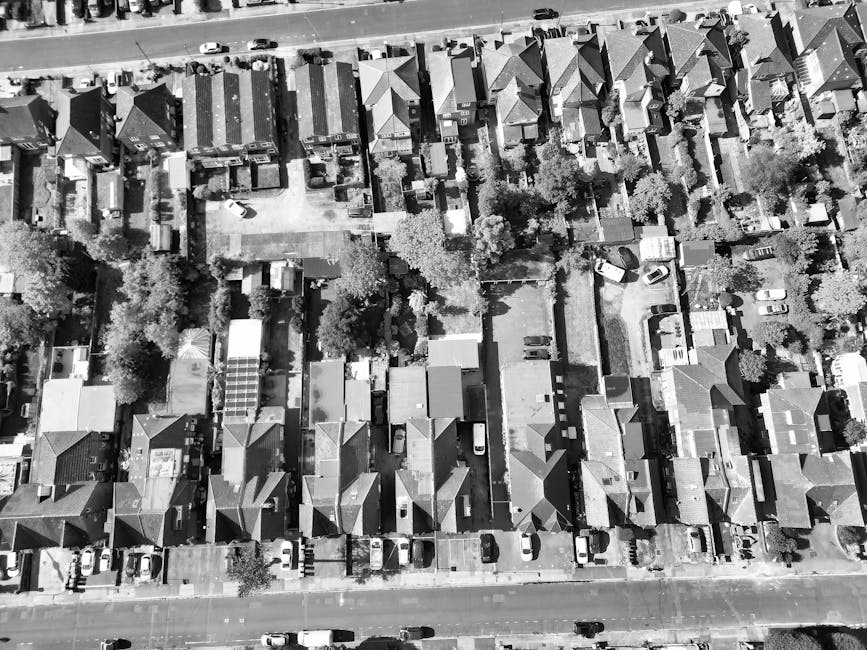
Common access problems Leyton gardeners resolve for backyards

Back gardens should be the easy bit. You open the door, step outside, and get on with the mowing, trimming, planting, or just sitting down with a cup of tea. In reality, plenty of Leyton backyards are awkward to reach, tight to work in, or blocked by years of clutter and overgrowth. That is where common access problems Leyton gardeners resolve for backyards really matter.
If a gardener cannot get tools, waste bags, mower equipment, or materials into the space safely, even a simple job turns into a slow, frustrating one. And if you are the homeowner, that usually means more disruption, more mess, and sometimes a job that gets put off far too long. This article breaks down the access issues gardeners see most often in Leyton, how they solve them, and what you can do to make a backyard easier to manage from the start.
By the end, you will know what practical fixes are used, when they make sense, and which problems are just part of working in urban London gardens. Truth be told, a lot of access issues are not dramatic. They are small things. But small things stack up.
Why Common access problems Leyton gardeners resolve for backyards Matters
Access is the difference between a garden that can be maintained properly and one that becomes a bit of a headache. In Leyton, backyards often sit behind terraced homes, side returns, shared paths, narrow gates, or old timber fencing that has seen better days. Sometimes the problem is obvious. Sometimes it is just the constant squeeze of fitting everything through a small opening without damaging walls, paving, plants, or yourself.
This matters because garden work is physical. A mower needs room to move. A wheelbarrow needs turning space. Clearance waste needs a route out. Even hedge trimming or tree work becomes awkward when a ladder cannot be positioned properly. The result, if access is poor, is slower work and a greater chance of accidental damage.
There is also the stress factor. Many homeowners are surprised by how much calmer a job feels once entry and exit are sorted. A tidy route means less back-and-forth, less trampling across lawns, and fewer awkward "can we just..." moments halfway through the day.
Practical takeaway: access problems are not only about getting into the garden. They affect safety, speed, finish quality, and whether a gardener can complete the job without disruption.
If you want to understand the wider services that often overlap with access work, the services overview is a useful place to start. Jobs involving clearance, hedge work, mowing, or landscaping often depend on the same entry route.
How Common access problems Leyton gardeners resolve for backyards Works
Most access issues are solved through planning, sequencing, and sensible equipment choices. There is rarely a magic fix. More often, it is a matter of working around the limits of the property without creating extra damage. A good gardener looks at the entrance, the route through the house or side passage, the condition of gates and paving, and where waste will need to leave the site.
In practical terms, that might mean bringing in smaller tools instead of one large machine, dismantling bulky waste before removing it, protecting hallways with covers, or agreeing an alternate route for bags and materials. If the garden is overgrown, the first task may be clearance rather than cutting or mowing. That sounds obvious, but it is easy to forget when you are looking at a patch of brambles and think, "Surely we can just start there?" Usually, no. Not safely.
A reliable approach often starts with a quick site check. The gardener may ask:
- How wide is the gate or passage?
- Is there a rear access path, shared alley, or only indoor access?
- Are there low branches, loose slabs, or slippery steps?
- Can waste be carried out in bags, or does it need breaking down first?
- Will the job need repeated trips in and out?
That assessment shapes the method. For example, if a lawn strip can only be reached through a narrow doorway, the team may use compact equipment or break the job into sections. If a hedge blocks the route, trimming it first may be the simplest way to restore access. If a deck or hard surface has narrowed the garden entrance, the issue can sometimes point to a wider layout problem that sits under landscaping rather than routine maintenance.
For bigger, more structural access challenges, it can make sense to look at landscaping solutions or even garden design and layout changes that improve circulation through the space. Not every backyard needs that level of intervention, but when access keeps causing the same problem again and again, it is worth considering.
Common access problems gardeners actually see
- Narrow side passages that barely allow a wheelbarrow through
- Locked or swollen gates that do not open fully
- Steps, slopes, or uneven paving that make carrying waste risky
- Overgrown hedges that physically block entry
- Broken fencing panels or loose trellis complicating movement
- Internal-only access where all tools must pass through the house
- Heavy or awkward items such as soil bags, timber, or old sleepers
- Backyards cluttered with furniture, bins, planters, or stored materials
Key Benefits and Practical Advantages
Solving access problems is not glamorous, but it pays off. A garden that is easier to reach tends to get maintained more regularly, and regular maintenance usually means less work later. That is one of those boring truths that ends up saving time and money.
Here are the main advantages:
- Safer work: fewer trips, fewer strained lifts, and less risk of slipping or knocking something over.
- Better results: when the route is clear, the team can focus on the garden rather than wrestling with equipment.
- Less damage: narrower access often causes scratched paint, crushed borders, broken pots, or damaged slabs. Good planning avoids that.
- Faster jobs: a clear route cuts down wasted movement. Even a small garden can take longer than it should if access is poor.
- More options: once a backyard is easier to enter, tasks like lawn mowing, hedge work, and seasonal clearance become more realistic.
- Lower stress for residents: nobody enjoys trying to squeeze a mower past the kitchen door at 8 a.m. on a wet morning. Nobody.
There is also a subtle quality benefit. A team that can move properly will usually finish cleaner. They can stack waste, sweep properly, and avoid the rushed, cramped feeling that narrow access can create.
If the problem is caused by tangled plants, dead growth, or years of build-up, a one-off garden clearance service can often reset the space before regular maintenance takes over. After that, a standing plan through garden maintenance keeps access from closing in again.
Who This Is For and When It Makes Sense
This topic is relevant to more people than you might think. It is not only for homeowners with badly overgrown gardens. Access issues come up in neat, well-kept places too, especially where the layout is old or the entrance was never designed for modern equipment.
You may need help if:
- your backyard is behind a terraced house with only one narrow route in
- you are clearing a garden after a long gap in maintenance
- you need regular mowing but the mower cannot turn easily
- hedges, shrubs, or self-seeded trees have narrowed the entry point
- there is a shared alley, side return, or communal path to navigate
- you are planning decking, new planting, or a full redesign and need a working access route
It also makes sense if you are elderly, carrying heavy items yourself is difficult, or you simply want the work done without having to coordinate every tiny detail. Let's face it, most people do not want to spend their afternoon playing logistics manager in the garden.
For landlords and property managers, access problems matter because they can delay routine upkeep and make larger tasks more expensive later. For busy families, the issue is usually convenience. For people preparing a property for sale or letting, it is presentation. A garden that looks closed-off tends to feel neglected, even if the plants are technically healthy.
And yes, sometimes it is all of the above.
Step-by-Step Guidance
If you are trying to improve access in a Leyton backyard, a simple sequence works best. You do not need to overcomplicate it.
- Walk the route from outside to inside. Look at the actual path a gardener would take. Not the ideal route. The real one.
- Measure the narrow points. Gate width, passage width, turning space, and step height all matter more than most people expect.
- Spot hazards. Check for broken slabs, loose gravel, slippery moss, protruding nails, low branches, and leaning panels.
- Clear the obvious blockers first. Move bins, chairs, toys, storage boxes, and loose materials before the work starts.
- Decide what has to go in or out. If waste is likely to be heavy or bulky, plan how it will be bagged, stacked, or dismantled.
- Choose the right method. A clearance job may need a different access plan from a regular cut-and-tidy visit.
- Protect the route. Covers, boards, or careful positioning can prevent dirt and scuffs on indoor surfaces if tools must pass through the house.
- Review the layout after the job. If the same problem keeps coming back, consider a structural fix rather than another temporary workaround.
If you are combining access work with boundary tidying, hedge trimming can be a surprisingly effective first move. Shrubs that poke into the passage or overhang a gate often make the whole garden feel tighter than it really is.
Likewise, if trees are crowding the entrance or dropping debris into the route, it may be sensible to explore tree lopping and removal where appropriate. That kind of work needs a careful eye, though. Not every tree issue needs removal, and a good professional will say so.
Expert Tips for Better Results
Here are a few practical lessons that make a real difference in the field.
First, reduce clutter before anyone arrives. This sounds basic, but one extra minute spent moving planters and old bags can save a lot of awkward lifting. Gardeners should not have to work around three broken pots, a barbecue cover, and a random stack of old bricks unless the bricks are actually part of the job.
Second, think about waste flow, not just entry. Plenty of people worry about how tools get in, but forget that branches, clippings, and soil have to get back out again. If a job is likely to create a lot of green waste, plan the exit route before the first cut is made.
Third, do not assume the narrowest point is the only issue. Sometimes the gate is fine, but the turning space beyond it is terrible. Or the route is wide enough, but the slab edge is unstable. Access problems are often a chain reaction.
Fourth, separate quick maintenance from structural improvement. A one-off clear-up may solve the immediate issue. But if the same pathway is always becoming overgrown, the garden may need a longer-term rework through landscaping rather than another temporary tidy.
Fifth, keep the good habits going. A tidy route, trimmed edge, and regular cut are boring in the best possible way. Boring gardens are easier to live with.
One more thing: if a job feels awkward when you are standing in the garden yourself, it will probably feel awkward for the person carrying tools through it. That little gut check is often right.
Common Mistakes to Avoid
Most access problems become more expensive because of a few avoidable mistakes. The usual suspects are simple, but they cause hassle.
- Leaving the site cluttered: clutter hides hazards and slows everything down.
- Ignoring width and turning space: a gate that opens does not always mean equipment can pass through comfortably.
- Forcing oversized tools through a tight route: this is how damage happens. A better tool choice is usually available.
- Skipping the first clearance step: trying to mow or trim before removing brambles, deadwood, or heavy debris is often a false economy.
- Not checking drainage or slippery surfaces: wet slabs, mud, and algae can turn a simple carry into a nasty slip risk.
- Assuming internal access is harmless: if equipment must pass through the house, floors, corners, and door frames all need protection.
A smaller mistake, but a common one, is underestimating how much waste one job produces. A hedge that looks manageable at a glance can create a mountain of clippings once it is cut back. Funny how that works.
Tools, Resources and Recommendations
Good access work does not always require specialist kit, but it does depend on using the right basics. A lightweight wheelbarrow, sturdy bags, protective coverings, secateurs, loppers, compact mowers, and clear waste handling can make a huge difference. For many backyards, the best "tool" is simply a solid plan.
When choosing a service, look for signs that the team understands constrained spaces. Useful indicators include:
- they ask about access before quoting
- they mention waste removal or staging the work in phases
- they explain how they will protect pathways or indoor routes
- they are realistic about what can be done in one visit
- they talk clearly about safety, insurance, and site conditions
That last point matters. If people are moving equipment through narrow or shared access, you want confidence that they work carefully. The site's insurance and safety information and health and safety policy are useful trust signals, especially for more involved work.
If you are comparing services or want to understand how jobs are priced, the pricing and quotes page can help set expectations. Access challenges can influence the quote because they affect labour time, equipment choice, and disposal handling. That is normal.
For homeowners who care about waste handling, it is also worth looking at recycling and sustainability. In a city like London, it is reassuring to know that green waste is handled responsibly rather than simply tipped into a skip and forgotten about.
Law, Compliance, Standards, or Best Practice
Access work around gardens is usually guided more by best practice than by a single special law. Still, there are some sensible UK expectations worth keeping in mind. Any work that involves ladders, cutting tools, heavy lifting, power equipment, or moving materials through confined spaces should be approached carefully, with proper risk awareness and suitable insurance.
If a gardener is working through a home rather than through rear access, the key practical concern is preventing damage and keeping the route safe. That means clear communication, protective coverings where appropriate, and a sensible plan for carrying items. Shared access can add another layer, especially where neighbours also use the passage. Courtesy and tidiness go a long way. So does leaving gates as you found them.
For trees, larger branches, or anything that might affect structures, fences, or overhead space, extra caution is sensible. A cautious professional will not rush a cut just because the doorway is narrow. In fact, that is often when patience matters most. The tight jobs are the ones where shortcuts cause the biggest headaches.
It is also worth noting that some backyards sit in properties with delicate surfaces, original brickwork, or older paving. Those features may not be regulated in a formal sense, but they deserve careful handling. Best practice is simple: protect what can be protected, lift rather than drag when possible, and avoid making access problems worse while trying to solve them.
Options, Methods, or Comparison Table
Not every access issue needs the same fix. The right approach depends on the size of the garden, the route available, and what the job involves. Here is a simple comparison.
| Method | Best for | Strengths | Limitations |
|---|---|---|---|
| Clear the route first | Minor clutter, light overgrowth, tidy-up visits | Quick, low disruption, often enough on its own | Does not solve structural layout problems |
| Use compact tools and staged working | Narrow gates, small side passages, regular maintenance | Fits tight spaces, reduces damage risk | May take longer than using larger equipment |
| Break bulky waste down on site | Pruning, hedge cuts, garden clearance | Makes removal easier, safer, and cleaner | More labour-intensive |
| Protect indoor or shared access routes | Internal-only entry, communal passages | Prevents scuffs and complaints | Requires extra setup and care |
| Redesign the layout | Repeated access bottlenecks, awkward long-term layouts | Can permanently improve movement and usability | Needs more planning and investment |
For many Leyton homes, the best answer is a mix of the first two methods. Clear the route, then keep the work compact. If the same old problem returns after every visit, that is when a bigger rethink starts to make sense.
Case Study or Real-World Example
Imagine a typical terraced backyard in Leyton. The owner wants the garden brought back under control after a long stretch of minimal upkeep. The side access is narrow, the gate sticks, and there is a row of pots, a rusting bench, and a few bags of old soil taking up the only sensible route.
At first glance, it looks like the job is just "cut the grass and tidy the borders." But once the access is mapped properly, the order changes. The team clears the entrance area, trims back the hedge that is folding into the passage, and removes light debris before heavier cutting begins. The mower used is compact enough to turn safely. Waste is bagged in stages so the route never becomes blocked.
Nothing dramatic happened. That is the point. The job went well because the access issue was dealt with early rather than ignored. The garden looked bigger by the end, too, which always surprises people a little. A space can feel doubled in size once the path into it is no longer cramped and shadowed by overgrowth.
Another common version of this is a backyard with internal access only. In that case, the main job is not only gardening. It is route management: protecting floors, keeping movements controlled, and limiting mess. Not exciting, but effective. And yes, it can feel like a bit of a dance if the hallway is particularly tight.
Practical Checklist
Use this before a gardener arrives or before you try to sort access yourself.
- Is the main route into the backyard clear?
- Can the gate open fully without snagging?
- Are there loose slabs, wet surfaces, or trip hazards?
- Have pots, bins, furniture, and stored materials been moved out of the way?
- Will equipment need to pass through the house?
- Is there enough turning space for a mower, wheelbarrow, or bags?
- Do any hedges, shrubs, or branches block movement?
- Will the job create bulky waste that needs staging or breaking down?
- Have you told the gardener about shared access, pets, or neighbour-sensitive routes?
- Do you want a one-off tidy, ongoing maintenance, or a longer-term layout fix?
If you can answer most of those clearly, the job will usually go smoother. If not, that is fine too. It just means the access plan needs a bit more thought.
For a broader understanding of what the team can handle once access is sorted, you can also look at garden maintenance and the wider about us information. Those pages help set expectations around service style and working approach.
Conclusion
Common access problems Leyton gardeners resolve for backyards are usually less about drama and more about practicality. A narrow gate, a cluttered route, a blocked passage, or overgrown boundaries can all turn routine garden work into something far more difficult than it should be. Once those issues are handled properly, maintenance becomes easier, safer, and a lot less stressful.
The best outcome is not just a tidy garden. It is a garden that can be reached, managed, and enjoyed without hassle. That is what good access planning really gives you: more usable space, less friction, and fewer jobs that quietly get put off until next season.
If your backyard feels awkward to work in, start with the route, not the plants. Then build from there. That simple shift often changes everything.
Get a free quote today and see how much you can save.
And if you are still weighing things up, that is normal. A good garden should feel like a relief when you step into it, not another task waiting to happen.
Frequently Asked Questions
What are the most common access problems in Leyton backyards?
The most common issues are narrow side passages, sticky gates, overgrown hedges, uneven paving, internal-only access, and cluttered routes. In older terraced properties, all of those can show up at once.
Can gardeners work through a house if there is no rear access?
Yes, often they can, provided the route is protected and everyone understands the plan. It usually takes more care, though, and the layout of the home matters. Some jobs are fine with indoor access; others are just too awkward to do neatly.
Do access problems make garden work more expensive?
They can, because they affect time, labour, and equipment choices. A narrow or complex route may mean more handling, more setup, or a smaller tool set. That said, clear planning often keeps extra cost down.
How do gardeners handle heavy waste in a tight backyard?
They usually break it down on site, bag it in stages, and remove it in manageable loads. In more awkward gardens, waste removal becomes part of the strategy rather than an afterthought.
Is it better to clear access before starting hedge or lawn work?
Usually, yes. If the route is blocked, it is sensible to clear the path first so the rest of the job can be done safely and efficiently. Trying to cut around a blocked entrance often wastes time and causes damage.
What if the gate is wide enough but the path beyond it is too tight?
That is very common. The fix might involve staging the work, using compact tools, or removing obstacles in the turning area. The narrow point is not always the only problem.
Can access problems be solved permanently?
Sometimes. Simple issues like broken gates or overgrowth can be fixed quite neatly. Structural layout issues may need landscaping or a more considered redesign. Permanent solutions tend to be better if the same bottleneck keeps returning.
Do I need to move everything out of the garden before the gardener arrives?
Not everything, but the route should be clear. Move fragile items, bins, toys, and loose clutter from walkways and working areas. That small bit of prep makes a big difference.
What should I ask before booking a gardener for a difficult access job?
Ask how they plan to enter, what equipment they will use, whether waste will be removed in stages, and if any protective coverings are needed. Clear questions up front save a lot of back-and-forth later.
Can overgrown hedges really cause access issues?
Absolutely. Hedges can narrow a passage, hide step edges, and make a once-simple route feel cramped. Trimming them back is often one of the quickest ways to restore usable access.
What is the safest first step if my backyard feels impossible to reach?
Start by walking the route and removing obvious clutter. Then measure the narrow points and look for hazards. If you are still unsure, ask a professional to assess the site before any heavy work begins.
When should I consider landscaping instead of just maintenance?
If access keeps becoming difficult, or the layout itself is the problem, landscaping may be the better long-term answer. Maintenance keeps things under control, but it cannot always fix a flawed layout.